The Story
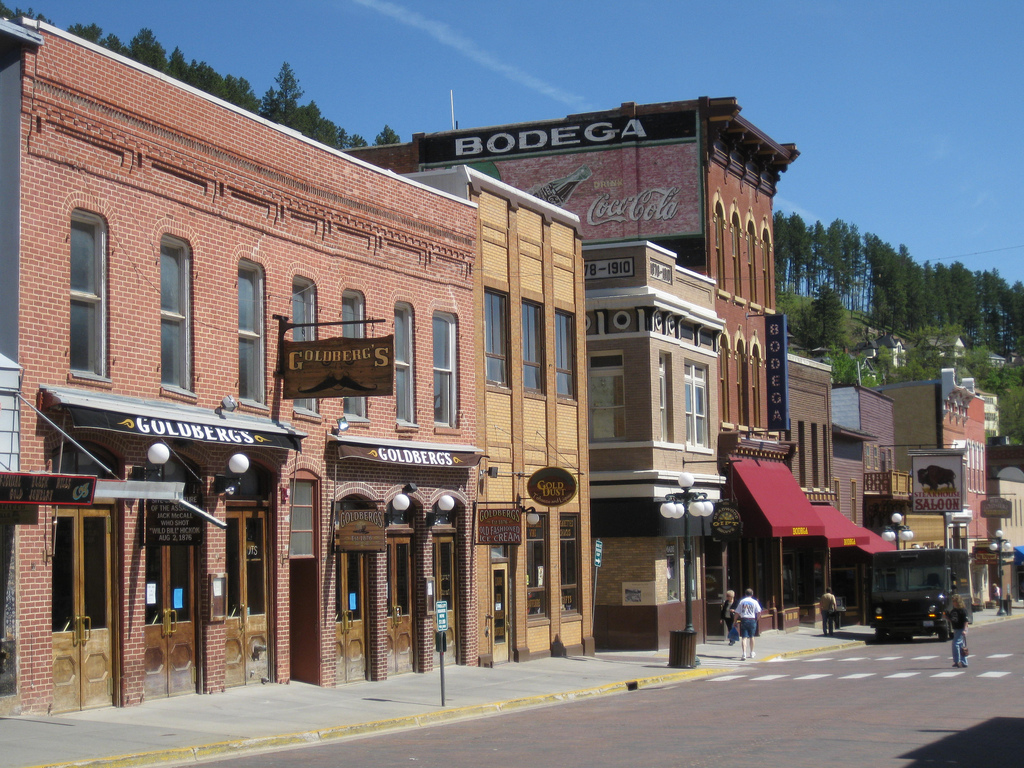
Deadwood exploded into existence in 1876 after gold was found in the surrounding gulch, on land still belonging to the Lakota under the 1868 Fort Laramie Treaty. On September 26, 1879, a fire reached eight kegs of gunpowder in a hardware store; the explosion destroyed some 300 buildings and left 2,000 homeless. The town rebuilt in brick within months, and the whole community was named a National Historic Landmark in 1961. By the 1980s Deadwood was fading — until the grassroots "Deadwood — You Bet" campaign passed a 1988 ballot measure legalizing limited-stakes gambling (effective 1989), making it the third legal gambling destination in the U.S. after Nevada and Atlantic City. Gaming revenue has funded Main Street's preservation ever since.
Surprising Facts
→ The 1879 fire was made catastrophic when it reached eight kegs of gunpowder, which exploded.
→ The entire town — not just individual buildings — was named a National Historic Landmark in 1961.
→ Deadwood became the third legal gambling destination in the U.S. in 1989, after Nevada and Atlantic City.